
Optimal Timing for Tree Removals
Understanding the optimal timing for tree removals is essential for ensuring safety, health, and compliance with local regulations. The best time to remove trees depends on several factors including the tree species, local climate, and specific site conditions. Proper timing can minimize risks associated with falling branches or trees and can also reduce the impact on surrounding vegetation.
Spring is suitable for removing trees before they fully leaf out, making cleanup easier and reducing stress on nearby plants.
Summer removals are possible but can be more challenging due to dense foliage and higher temperatures, which may affect equipment and safety.
Fall is often ideal for tree removals as trees are entering dormancy, reducing stress and facilitating easier handling.
Winter offers the best conditions for tree removal, with trees in dormancy, frozen ground providing stability, and fewer disruptions to surrounding landscapes.
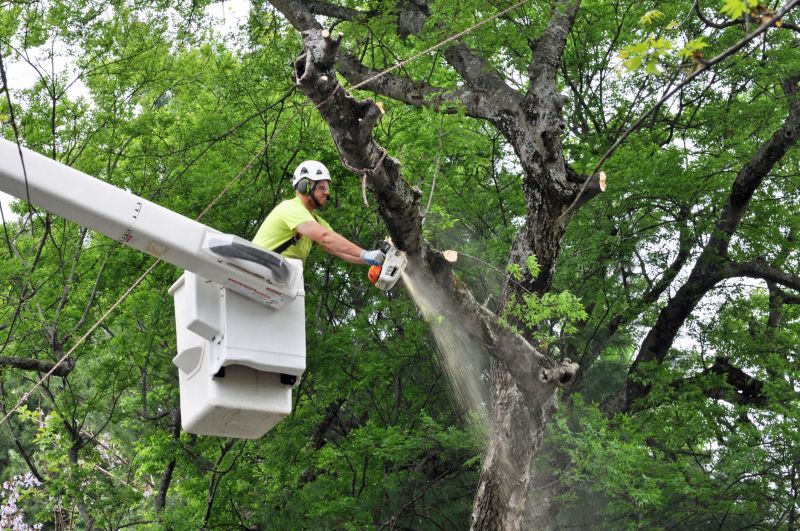
Specialized equipment is used for safe and efficient tree removal, including cranes, chainsaws, and rigging gear.
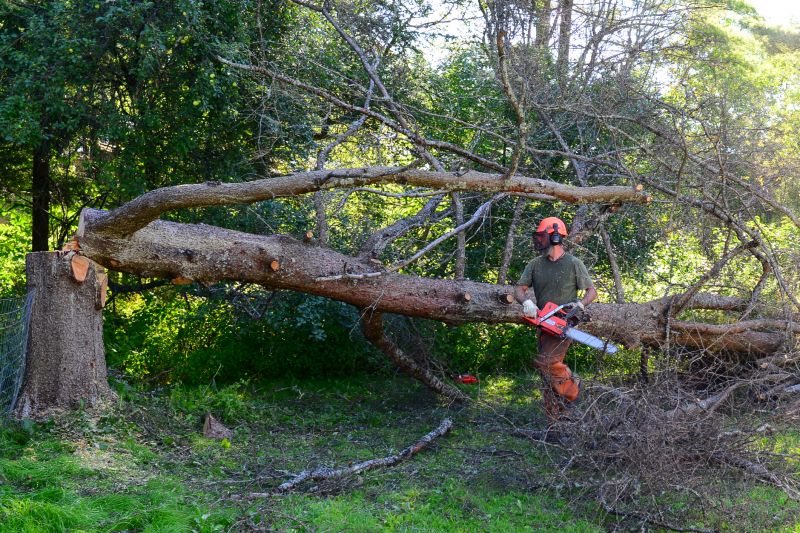
Winter tree removal involves cutting dormant trees, which can reduce the risk of disease and damage to surrounding plants.
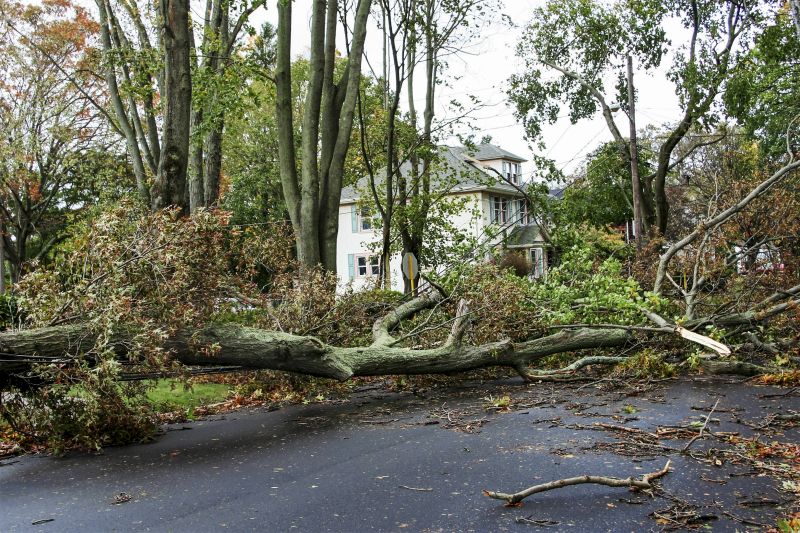
Storm-damaged trees require immediate removal to prevent hazards, often performed during or after severe weather events.
Ways to make Tree Removals work in tight or awkward layouts.
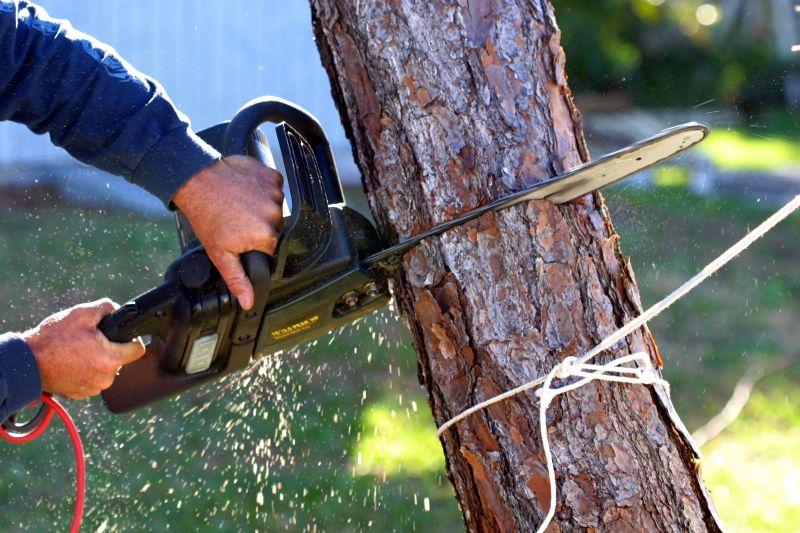
Popular materials for Tree Removals and why they hold up over time.
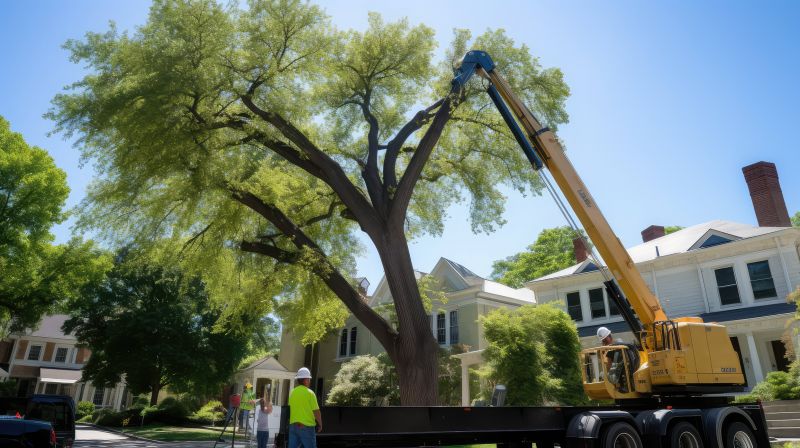
Simple add-ons that improve Tree Removals without blowing the budget.
| Season | Advantages |
|---|---|
| Spring | Easier cleanup, less leaf debris, trees are still active, minimal impact on soil. |
| Summer | Longer daylight hours, good weather for equipment, but foliage can hinder visibility. |
| Fall | Trees are entering dormancy, less stress on the tree, favorable weather conditions. |
| Winter | Optimal for safety, frozen ground provides stability, minimal impact on surrounding plants. |
| Emergency | Performed as needed to mitigate immediate hazards regardless of season. |
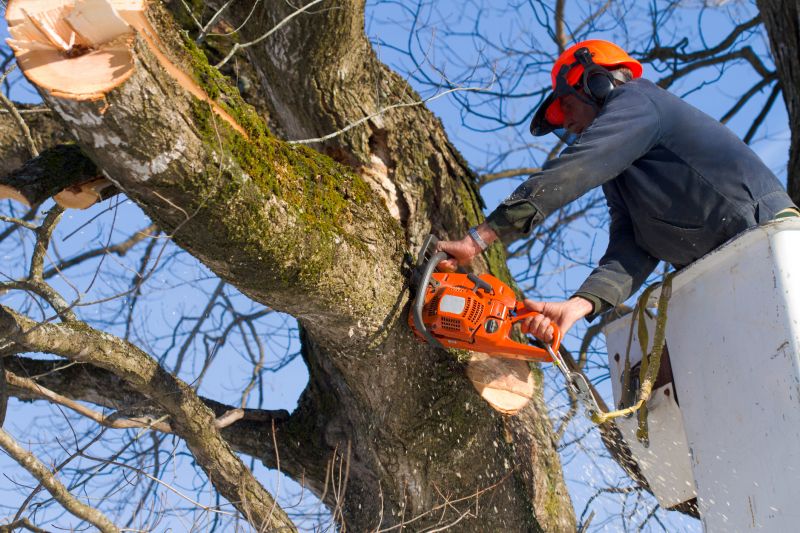
Professional tree removal involves careful planning and execution to ensure safety and efficiency.
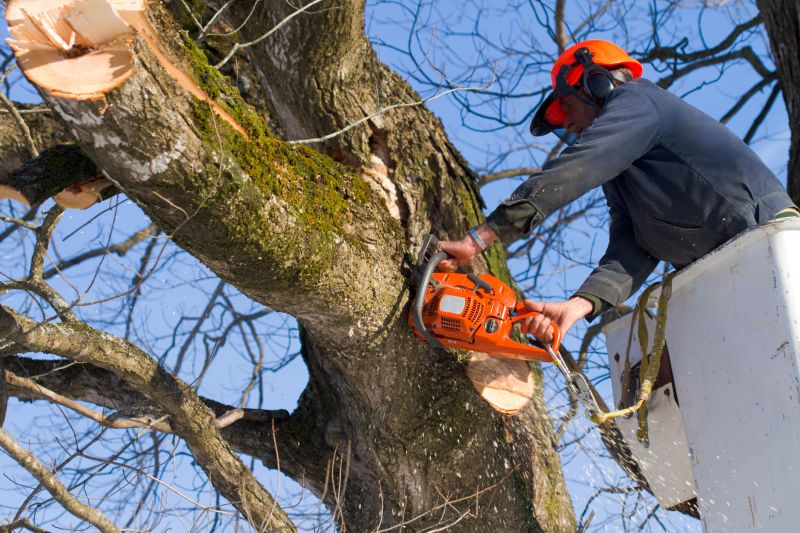
Felled trees are carefully lowered to prevent damage to surrounding areas during removal.
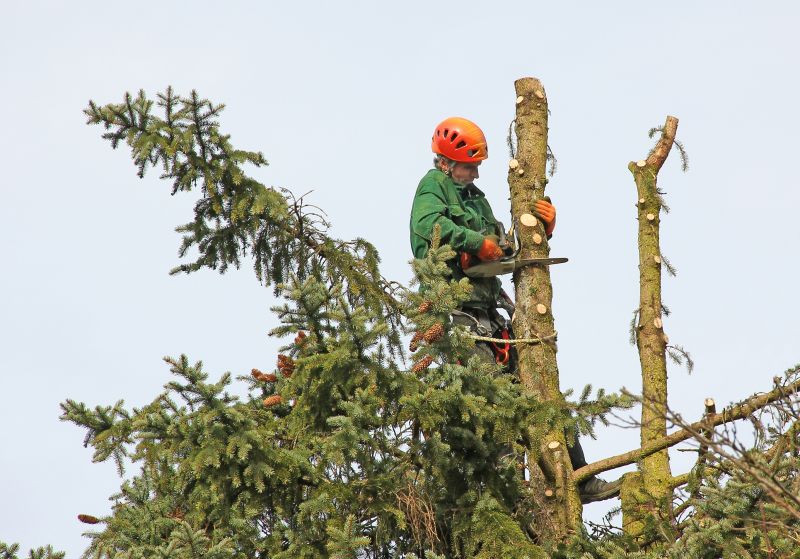
Winter conditions facilitate safer and more controlled tree removal operations.
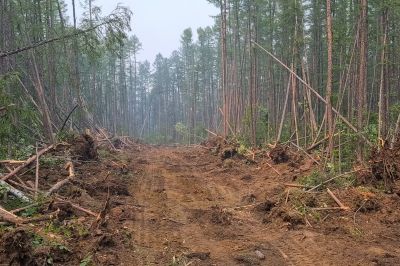
After removal, sites are cleared and prepared for landscaping or new planting.
Interested in scheduling a tree removal or learning more about the process? Filling out the contact form provides an opportunity to discuss specific needs and receive professional guidance tailored to Perrysburg properties.