
Popular Tree Removal Products Every Arborist Needs in Their Toolkit
Discover essential tools and supplies that help you handle tree removal projects with precision and confidence, no matter the size.
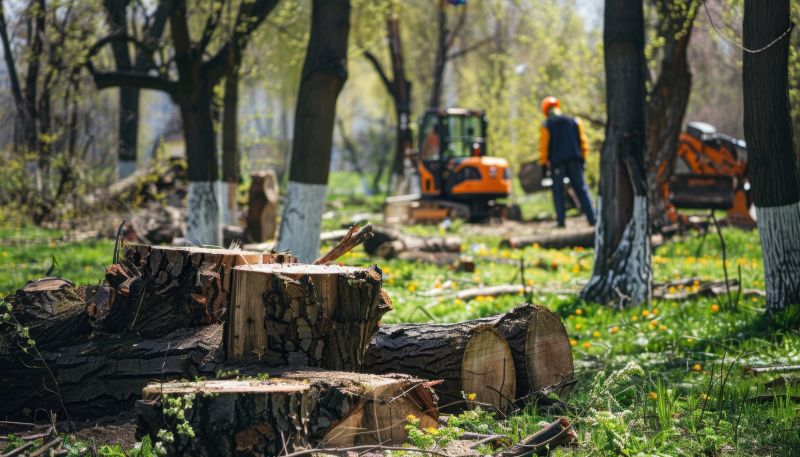 Tree removal is a task that often requires specialized equipment to ensure safety and efficiency. Whether dealing with hazardous or unwanted trees, having the right tools can make the process smoother and safer. From manual hand tools to powered equipment, there are various options suited for different situations and levels of expertise. Proper planning and equipment selection are essential to minimize risks and ensure the job is completed effectively.
Top Overall Option
Heavy-Duty Gas-Powered Chainsaw
A versatile and powerful tool suitable for a wide range of tree removal tasks, offering high performance for cutting through large trunks and thick branches. Its robust engine and durable bar make it a reliable choice for both professional and serious DIY projects.
Types of Products For Tree Removals
Chainsaws
Powerful gas, electric, or battery-operated chainsaws designed for cutting through trunks and large branches.
Pruning Saws
Manual saws ideal for trimming smaller branches and detailed pruning work.
Pole Saws
Extendable saws that allow for cutting high branches without climbing.
Climbing Gear
Harnesses, ropes, and spikes to facilitate safe ascent and descent during tree removal.
Loppers
Long-handled cutting tools suitable for trimming medium-sized branches.
Axes and Hatchets
Manual tools for chopping smaller branches and trunk sections.
Ropes and Rigging Equipment
Tools used to control and lower large branches or entire trees safely.
Tree Stump Grinders
Machines designed to grind down remaining stumps after removal.
Safety Helmets and Gear
Protective equipment to ensure safety during tree removal activities.
Debris Chippers
Machines that convert branches and wood debris into mulch or chips.
Manual Hand Saws
Lightweight saws for small trimming jobs and detail work.
Tree Climbing Spurs
Spikes used for ascending and securing position in the tree.
Lift Platforms and Aerial Work Platforms
Equipment that provides elevated access for larger or taller trees.
Tree Removal Nets and Tarps
Tools for catching falling debris and protecting surrounding areas.
Hydraulic Tree Shears
Powerful attachments for cutting and removing large branches or sections.
Popular Choices
Portable and easy to handle, suitable for smaller tree removal tasks.
Ideal for detailed trimming and small branch cuts.
Great for reaching high branches without climbing.
Secure and comfortable gear for safe ascent.
Effective for trimming medium-sized branches.
Provide safe access to tall trees for professional removal.
Popular for post-removal stump cleanup.
Essential protective gear for safe operation.
Commonly used for processing debris on-site.
Preferred for small-scale chopping and trimming.
Help control heavy branches during removal.
Popular among professionals for secure climbing.
Used to contain falling debris in sensitive areas.
Effective for quick sectioning of large branches.
Provide stable footing for high work areas.
Protect hands during all stages of removal.
Facilitates debris collection and cleanup.
For those undertaking tree removal projects, safety should always be a priority. This involves not only selecting appropriate tools but also understanding proper techniques and safety protocols. Protective gear such as helmets, gloves, and eye protection should be used alongside the right equipment to prevent injuries. Additionally, assessing the size, location, and condition of the tree helps determine the most suitable tools and methods for removal.
In many cases, professional-grade equipment is recommended for larger or more complex removals. This can include powerful chainsaws, climbing gear, and rigging equipment to safely lower large branches or entire trees. Smaller or residential projects might utilize lighter tools like pruning saws and manual axes. Regardless of the scope, proper maintenance and handling of tools are vital to ensure safety and effectiveness throughout the removal process.
Understanding the different types of products available can help individuals and professionals make informed decisions. With a variety of options on the market, selecting the right equipment depends on the specific requirements of the project, the size of the tree, and the user’s experience level. Investing in quality tools can also contribute to cleaner cuts, reduced effort, and overall safety during tree removal activities.
Key Buying Considerations
- Tree size and trunk diameter to determine appropriate power and size of tools.
- Type of removal (manual or powered) based on project scope and complexity.
- Safety features such as anti-vibration handles, safety guards, and emergency stops.
- Ease of handling and weight, especially for extended use or climbing tasks.
- Battery life or fuel efficiency for powered tools to ensure uninterrupted work.
- Durability and build quality to withstand tough outdoor conditions.
- Compatibility with accessories or attachments for versatility.
- Availability of replacement parts and maintenance support.
- User experience and skill level required for safe operation.
- Local regulations or permits related to tree removal activities.
- Cost and budget considerations for equipment investment.
- Storage and transportation requirements for larger machinery.
- Environmental conditions, such as terrain and accessibility of the work site.
- Protection gear included or recommended for safe operation.
- Warranty and customer support offered by the manufacturer.